
Vinyasa yoga refers to a style of yoga where the poses are linked together in a “flow”, moving with each breath. Vinyasa can be considered a faster style of yoga due to this movement, where you’re typically changing poses with every inhale and exhale or each complete breath — think: inhale, high plank. exhale, low plank or chaturanga. inhale, upward facing dog. exhale, downward facing dog.
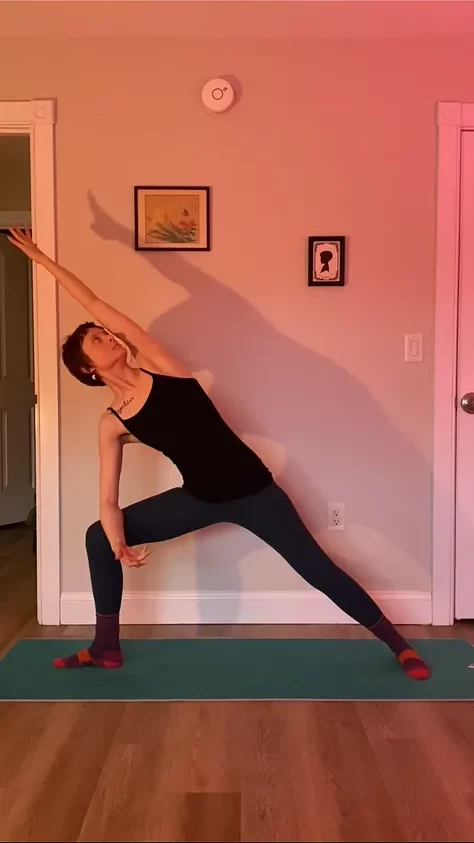
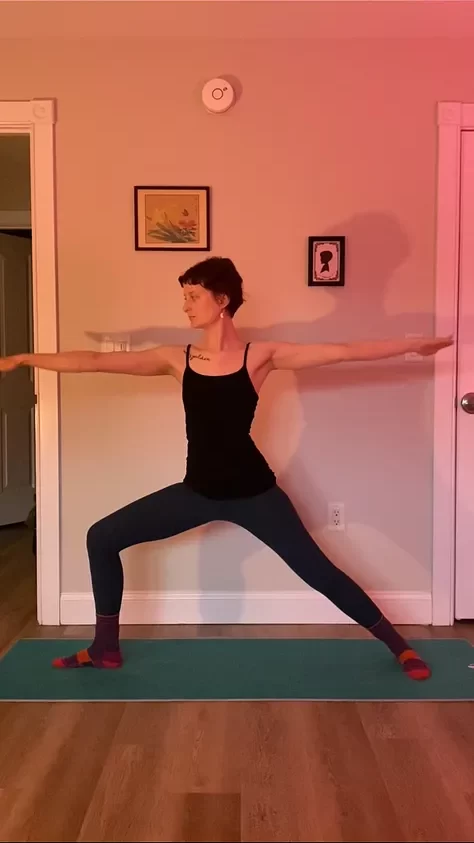
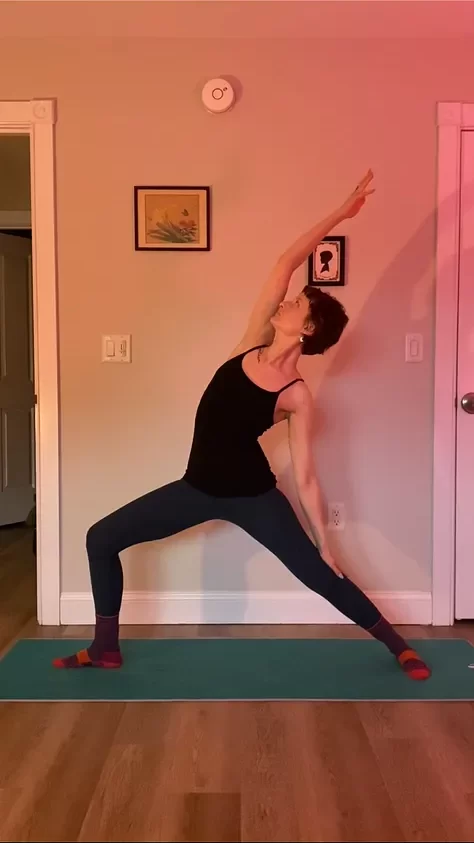
While the practice may be faster than a hatha yoga or yin yoga class, vinyasa yoga doesn’t have to be powerful or intense. Any movement between two or more poses can be considered a vinyasa, such as the movement between cat pose (tabletop backbend) and cow pose (tabletop rounded spine) or moving from warrior II to side angle and back through warrior II to reverse warrior II.
There are several mind-body benefits to vinyasa yoga, including:
- Strengthens your muscles and increases flexibility with repetitive movements — the movement and repetitions in vinyasa yoga help to create good stress on your muscles to encourage strength and flexibility. Over time, you’ll feel stronger and more open and comfortable in your body.
- Increases lung capacity and improves respiratory health with deep breathing — moving with the breath in vinyasa yoga encourages deeper, more intentional breaths, which leads to improved lung capacity (bigger, deeper breaths) and respiratory health (more efficient breathing), which can help you feel calmer and more relaxed.
- Improves blood and oxygen circulation through body with movement and breath — both movement and breath encourage blood and oxygen to move throughout the body, refreshing your energy and improving heart health by sending freshly oxygenated blood back to the heart and a big boost of oxygen to the brain.
Try and see for yourself — below are two short vinyasa yoga practices. Flow now and check in with how you feel afterwards. What benefits do you notice immediately after practicing? What about a couple of hours later or the following day?