
Yin yoga is a style of yoga where the poses are held in stillness for one or more minutes in order to access the deeper layers of the body — joints and connective tissues like bone, cartilage, fascia, ligaments and tendons (called yin tissues). These areas of the body enjoy and respond well to gentle stress and stillness over a period of time as opposed to strong repetitive movements like in vinyasa flow or ashtanga yoga.
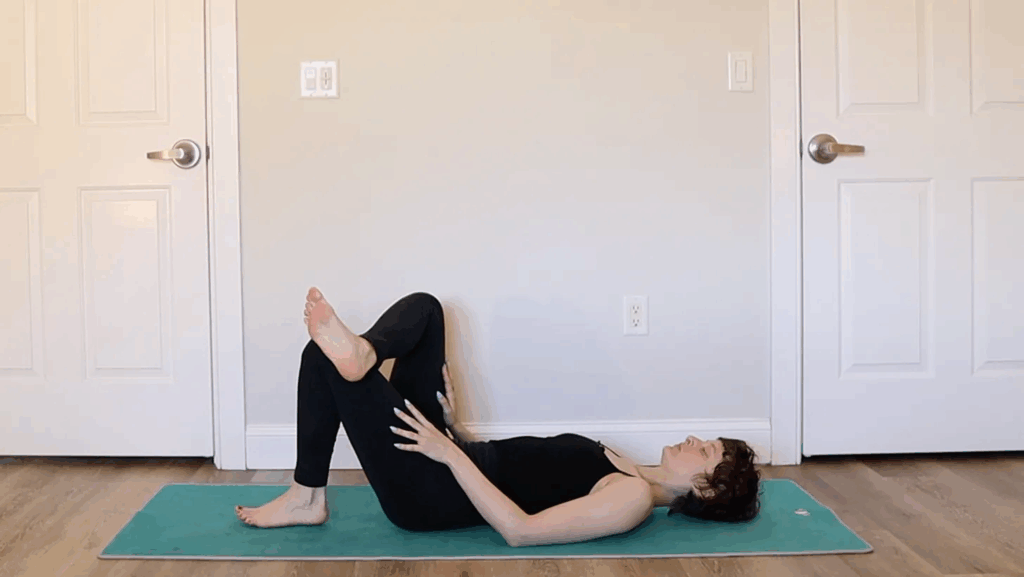
There are three tattvas (Sanskrit for principles, realities, elements, or truth) of yin yoga that ensure safety and efficiency in the poses ~
- Come into the pose to an appropriate depth —
- As we begin to move into the pose, once we feel that first sensation in the body, stop and wait. This is the body’s first edge. In time (the third tattva), the body will open and invite you to go deeper into the pose, or to your next edge, where the process repeats. Your appropriate depth, or edge, will change regularly, and not always in a linear way, meaning you won’t necessarily get deeper in the pose each time you try. Stay present with your body and the sensations you are feeling to determine appropriate depth and play your edges in the moment.
- Resolve to remain still —
- Our joints and connective tissues respond well to stillness while being stretched or strengthened to ensure safety. This stretch and strength is a good type of “stress” placed on the yin tissues, allowing them to gently break down and rebuild in a smarter, more efficient way. It’s always ok to move in a yin pose to go deeper or to move out of depth. This tattva speaks to the lack of movement that is beneficial to the yin tissues rather than forcing you to sit like a stone.
- Hold the pose for time —
- We hold the poses in yin yoga for one minute up to 20 minutes or more. This is another safe and efficient way to stretch and strengthen the joints and connective tissues. Since these areas of the body are meant to be stable, it takes a little longer to feel the effects of the pose than your muscles feel in a yang pose or flow. This time allows the yin tissues to feel safe enough to relax and receive the gentle stress of the pose.
You’ll want to be mindful to come out of the pose slowly, paying attention to sensations in the body as you move after a period of stillness. Some counterposes could be suggested here depending on the pose, your goal, and how your body feels after the yin pose.
Below you’ll find a short yin yoga practice so you can begin applying these tattvas to your practice. Try it and let me know how it goes ⋆˙⟡♡